
Summer 2026 – your complete photographer’s guide to the region
Summer is a great time for photography in the South West. The light is long, the landscape is alive, and there’s an almost embarrassing amount of things to point a lens at – from hot air balloons drifting over Bristol to wild orchids on the Mendips, from the Milky Way arching above Glastonbury Tor to fields of lavender just south of Bath. I’ve put together this list to give you ideas for the whole season – whether you’re chasing specific events on the calendar, seasonal subjects that peak for just a few weeks, or locations that reward a visit any time the light looks good.
I’ve split it into sections to make it easier to plan. Grab a coffee, open your calendar, and get marking some dates.
Part One – dates for your diary
These are the specific events and astronomical moments worth planning around in advance. Some happen once a year; some, like this summer’s solar eclipse, are genuinely rare. Miss them and you’ll wait a long time for another go.
1. Summer Solstice sunrise – Sunday 21 June
The longest day of the year falls on Sunday 21 June 2026, with the solstice moment at 9:24am BST. The best photography happens much earlier than that. Get yourself to Glastonbury Tor before dawn – the Tor rises 158 metres above the Somerset Levels and gives a 360-degree view that, on a clear midsummer morning, is as close to magic as landscape photography gets. The midsummer crowd up there adds an atmosphere you won’t find any other time of year.
Alternatively, Clifton Suspension Bridge is a great location – the sun rises in line with the towers of the bridge – see my blog post here on this. Then there is of course Stonehenge. Set your alarm early.

2. Bristol Harbour Festival – 17 to 19 July 2026
One of my favourite annual events in Bristol, and a brilliant photography subject. For 2026, the organisers have redesigned the festival’s entire footprint around the water – stretching from the Thekla to Underfall Yard, with floating performances, dockside spectacles and on-water stunts. There’s always incredible light on the harbour in the late afternoon, and the golden hour over the water with boats and crowds is genuinely special. Go early on the Friday to get shots without the weekend crowds; stay for the evening for the atmosphere. More info here.
3. Bristol International Balloon Fiesta – 7 to 9 August 2026
The big one. Over 100 hot air balloons take off from Ashton Court Estate in two daily mass ascents – at dawn (around 6am) and dusk (around 6pm) – plus the spectacular Night Glow on the Friday and Saturday evenings where the balloons are inflated and lit to music in the dark. The fiesta is in its 48th year and is free to attend, so there’s no excuse. Get there well before the dawn ascents – the balloons rising into the early morning light above Bristol is a genuinely world-class photography subject, and the location on Clifton Downs for elevated balloon-over-city shots is excellent. See my guide here for the best locations. More info on the fiesta here.

4. Perseid meteor shower peak – night of 12/13 August 2026
This year the Perseids peak on 13 August, and conditions are about as good as it gets – the shower coincides almost exactly with the new moon (12 August), meaning dark skies with no moonlight washing things out. At peak you can expect up to 90 meteors per hour under a dark sky. Head south of Bristol to escape the light pollution – Exmoor is the obvious choice as England’s only International Dark Sky Reserve south of the Peak District, but the Mendips or the Quantocks will also work well. For the South West, look south from around midnight for the radiant rising in Perseus. The mornings of both 12 and 13 August are worth being out for.
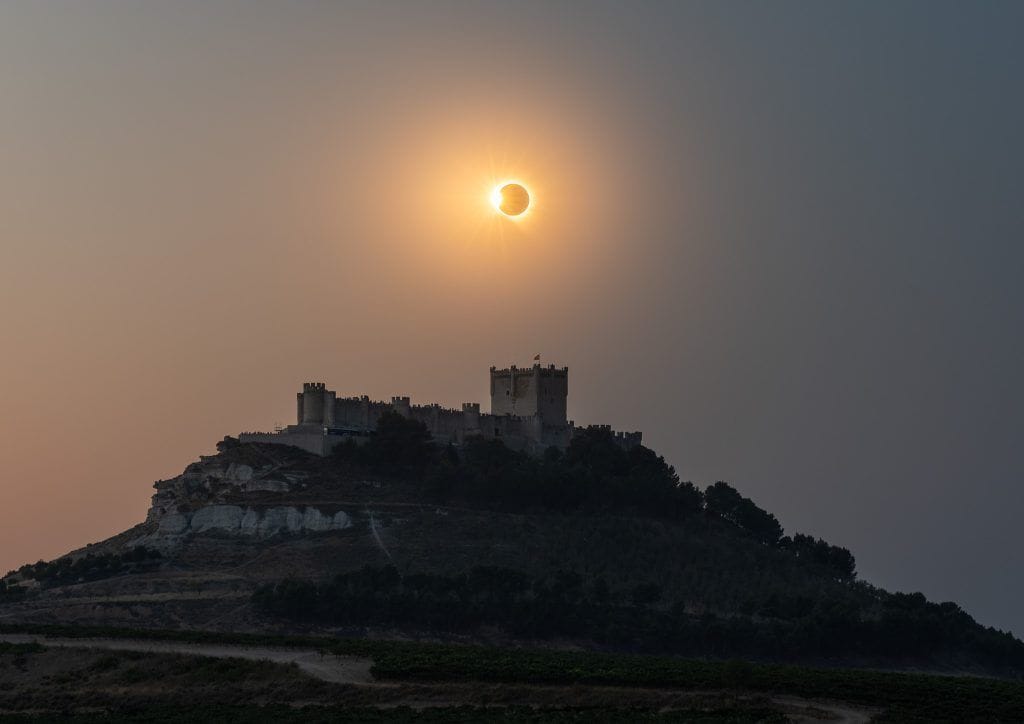
5. Solar eclipse – 12 August 2026
The day before the Perseid peak. A total solar eclipse will be visible across parts of Europe on 12 August 2026, with a partial eclipse visible from the UK. This is a rare event – do your research on safe eclipse photography well in advance. Solar filters are essential.
6. Partial lunar eclipse – 28 August 2026
The full Sturgeon Moon on 28 August is also a partial lunar eclipse, with the eclipse lasting over three hours. The partial phase means part of the Moon passes into Earth’s shadow – creating dramatic darkening and colour shifts across the lunar surface. A 400mm lens plus teleconverter is exactly what you want for this. Scout a Somerset Levels foreground with a clear eastern horizon and get set up before moonrise.
7. Summer full moons – June, July, August and September
There are four full moons worth planning around this summer, in addition to the Sturgeon Moon partial eclipse on 28 August covered above. The Strawberry Moon falls on 30 June, the Buck Moon on 29 July, and the Harvest Moon on 26 September. Each offers both a moonrise and a moonset opportunity – the full moon rises in the east around sunset and sets in the west around sunrise, so there are two windows per month to work with. The Strawberry Moon moonset is particularly interesting – setting around 4-5am at almost exactly the same moment as sunrise, giving warm early light and a low moon simultaneously. Brean Down or Sand Point looking west over the Bristol Channel works well for a moonset; Glastonbury Tor and Burrow Mump are the classic foregrounds for a moonrise over the Somerset Levels. The Harvest Moon in September is the most accessible of the lot – earlier sunsets and sunrises mean more civilised alarm times. Use PhotoPills to plan your exact position in advance.

Part Two – the astrophotography calendar
The South West’s relatively dark skies – especially on Exmoor and in the Mendips – make it one of the better parts of England for night photography. Here’s how the summer breaks down.
8. The Milky Way core window – now through September
The galactic core is visible in the southern sky from late spring through to October, but the usable window from UK latitudes is shorter than you might think – during midsummer, astronomical twilight barely ends, especially in June and early July. The sweet spots are May/June before the nights become too short, and then again from late August into September as the nights lengthen again. For Somerset (around 51°N), the core is low in the south – you need a clear southern horizon and a dark location. Exmoor and Dartmoor are great options.
9. New moon windows – best dark sky nights
Plan your astrophotography around the new moon to avoid moonlight washing out the sky. The new moon dates this summer are: 14 July, 12 August, and 10 September. The fives days or so around each of these is your window. The August new moon is perfectly timed to coincide with the Perseid peak – clear night around 12-13 August and you’ll be shooting both.
10. Noctilucent clouds – June and July
Noctilucent clouds are the highest clouds in Earth’s atmosphere, and they glow a vivid electric blue in the twilight sky after sunset and before sunrise in midsummer. They’re visible from the UK roughly from mid-May to mid-August, peaking in June and July. Look north after sunset – you don’t need a dark sky location, you just need a clear northern horizon. I’ve captured them over Bristol. When they appear, you’ll know.
11. Saturn and Jupiter in summer skies
Both planets are well-placed in the summer sky this year. While you won’t get detail on a landscape lens, pairing them with a Somerset landscape foreground – a reflection in a rhyne on the levels, or above Glastonbury Tor – makes for a compelling image. Use Stellarium or PhotoPills to plan alignment shots.
12. Star trails above the Mendips
Long exposure star trail photography works any moonless night of the year, and the summer is actually a good time because you’re not standing in a field in January. Priddy Pool, Stockhill Wood, and the Mendip ridgeline above Wells all make excellent locations. Shoot towards the north and Polaris if you want concentric circles; shoot south for the sweeping arc of the Milky Way core.
Part Three – wildflowers, flora and the natural calendar
The South West in summer is one of the most botanically rich regions in the UK. From rare orchids to bluebell cliffs, the flowering calendar gives a photographer reason to be out every week.
13. Wildflower meadows on the Bristol Downs – June and July
One of the best-kept secrets in Bristol. The Downs hold the largest area of limestone grassland meadow in the city, and through June and July the main meadow transforms into a knee-high sea of wildflowers: oxeye daisies, bird’s-foot-trefoil, black knapweed, lady’s bedstraw, and – if you’re lucky – bee orchids. It’s five minutes from the Clifton Suspension Bridge and completely free to visit. Early morning light across the meadow with dew still on the grasses is beautiful.
14. Bee orchids – June
Bee orchids are one of the more extraordinary wildflowers you’ll encounter in the South West. They flower in June on calcareous grassland – look for them on the Mendips, on the Clevedon coast, and on the verges of old limestone quarries. Macro photography of bee orchids is incredibly rewarding.
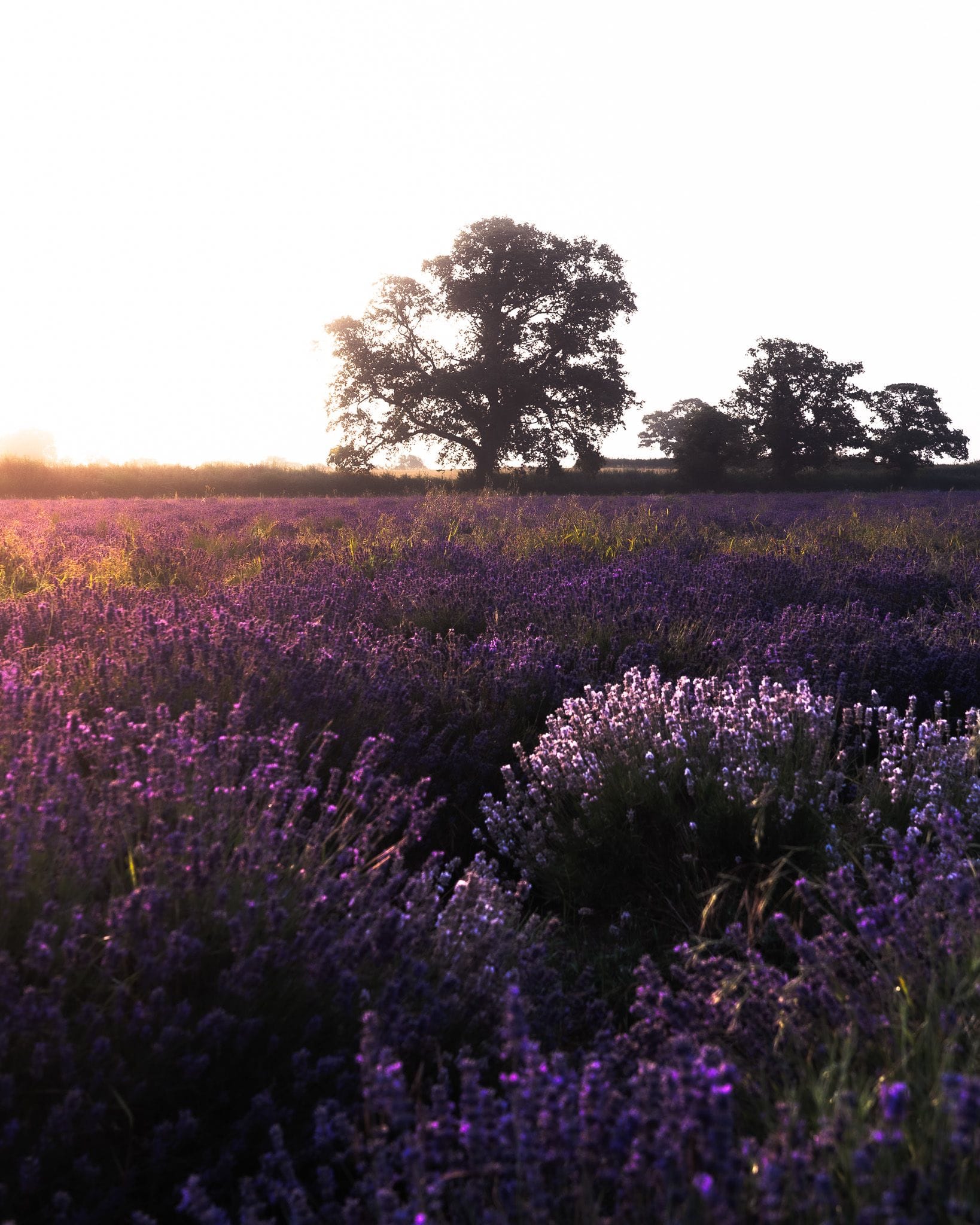
15. Somerset Lavender Farm – July and August (Faulkland, near Bath)
Somerset Lavender at Horsepond Farm in Faulkland is one of the most photogenic farm visits in the region – five acres of lavender in two fields, with 50,000 plants and 20 varieties. The peak flowering is typically mid-July. Go for sunrise golden hour and listen to the buzzing of bees lifting off for the day. The farm also has 6.5 acres of sunflowers that bloom from early August, so you can combine both in one late-summer visit.
16. Sunflower fields – August
Following on from the lavender, the sunflower field at Somerset Lavender opens in August and is spectacular. Shoot at first light to get the flowers facing east towards the sunrise.
17. Brean Down and Sand Bay coastal wildflowers – June and July
Brean Down and its neighbour Sand Bay, just south of Weston-super-Mare, are at their most photogenic in midsummer. The limestone headland of Brean Down is covered in wildflowers through June and July – blue viper’s bugloss, yellow kidney vetch, marjoram, thyme and wild carrot all competing for space on the clifftop grass. The combination of vivid foreground colour, the sweep of the Bristol Channel and the Welsh hills across the water makes for genuinely strong landscape compositions. Sand Bay to the north has its own character – saltmarsh, sand dunes and the rocky headland of Sand Point, with a wild and uncrowded feel that Brean beach itself rarely has. Both reward an early start before the holidaymakers arrive.
18. Folly Farm nature reserve, Chew Valley – June and July
One of the best and most accessible wildflower locations close to Bristol. Folly Farm is a 250-acre nature reserve owned by Avon Wildlife Trust, just ten miles from both Bristol and Bath in the Chew Valley. The wildflower meadows here are SSSI-designated – betony, oxeye daisy and heath spotted orchid all flower through June and July, in meadows that are genuinely rare (97% of the UK’s wildflower meadows have been lost since the 1930s). Walk up to the ridge of Round Hill and you get both the meadows and panoramic views across Chew Valley Lake and the Mendips above. A brilliant all-in-one location for wildflower macro work and wider landscape photography, barely half an hour from Bristol.
19. Yellow horn poppies on the coast – June to September
The Bristol Channel coast and the South West’s beaches produce beautiful yellow horn poppies from June onwards. Look for them on shingle beaches and coastal verges – the combination of vivid yellow against grey shingle and a dramatic sky makes for a striking composition.
20. Sea campion and thrift on the coastal paths – June
The South West Coast Path in June is covered in pink thrift (sea pinks) and white sea campion. Brean Down above the Bristol Channel is particularly good, with the old fort ruins providing an additional focal point.
21. Rhododendrons in flower – late May to June
Late May and June sees rhododendrons in full flower across the region. Ashton Court has a large rhododendron walk; Leigh Woods has dramatic patches. While they’re a problematic invasive, they’re undeniably photogenic – deep magenta against dark woodland.
22. Foxgloves on Exmoor – June and July
Exmoor in June is covered in foxgloves – great tall spires of purple and white lining the lanes, woodland edges and moorland tracks. They’re incredibly photogenic against the moorland landscape. Combine with an Exmoor pony in the background and you have a very strong composition.
23. Water lilies on the Somerset Levels – July and August
The rhynes and drainage channels of the Somerset Levels produce beautiful white and yellow water lilies through July and August. Ham Wall RSPB reserve has stunning lily-covered water with reed beds behind – go at first light for the best reflections.
Part Four – wildlife
The South West hosts some remarkable wildlife photography opportunities in summer – from otters on Exmoor to puffins on Lundy Island.
24. Exmoor ponies – all summer
Semi-feral and free-roaming across the moor, Exmoor ponies are one of the most photogenic wildlife subjects in southern England. Early morning on the open moorland above Porlock or around Dunkery Beacon gives you misty landscape backdrops with the ponies grazing.
25. Red deer stags in velvet – July and August
Before the rut (which is an autumn event), the red deer stags on Exmoor are carrying their antlers in velvet through the summer months – the antlers look soft and otherworldly during this growth phase. Early morning in woodland clearings and moorland edges gives you the best chance. The deer are less skittish in summer than during the rut, making them slightly more approachable. A good telephoto lens is great for this. Ashton Court in Bristol is an easier option – park at the main carpark and the red deer enclosure is just next door, so you can snap photos with the city as a backdrop.

26. Marsh harriers over Ham Wall and Shapwick Heath – dawn and dusk
The Somerset Levels are one of the best places in southern England to photograph marsh harriers. These large birds of prey patrol the reed beds throughout the summer, often flying surprisingly close to the viewing platforms and hides at Ham Wall and Shapwick Heath. Early mornings and evenings are particularly productive, when the birds are actively hunting over the reeds and the low sunlight adds warmth and atmosphere to photographs. Even if you’re primarily a landscape photographer, the sight of a marsh harrier quartering across a misty wetland at sunrise is one of the great summer wildlife spectacles in Somerset. A telephoto lens in the 400-600mm range is ideal, but the birds are often visible even without specialist equipment.
27. Kingfishers on the Chew Valley or Somerset rivers – summer
Kingfishers are one of the most sought-after British wildlife photography subjects, and the rivers and lake margins of Somerset and the Chew Valley are productive locations. Dawn is the best time, before the banks get busy.
28. Butterfly photography on the Mendips – July and August
The Mendip limestone grasslands support a wonderful variety of butterflies through summer: marbled white, dark green fritillary, chalkhill blue, and the spectacular silver-washed fritillary in the woodland rides. Velvet Bottom near Cheddar Gorge and Crook Peak are both excellent locations. Macro photography of fritillaries on thistle heads is a classic summer subject.
29. Puffins on Lundy Island – through to late July
Lundy Island in the Bristol Channel has an established puffin colony, best visited in June and early July before the birds depart for sea. It’s an MS Oldenburg day trip from Ilfracombe or Bideford – plan ahead as the boat gets busy.
30. Swifts screaming over Bristol – June and July
Swifts return to Bristol each May and the colony over Clifton and Redland in June and July is spectacular – look to spot them from Clifton Observatory and Sea Walls on the Downs.
31. Dragonfly photography on the Somerset Levels – July and August
The Somerset Levels in high summer are dragonfly heaven. The RSPB reserves at Ham Wall and Greylake, plus the many drainage rhynes across the levels, support emperor dragonflies, downy emeralds and many more species. Macro photography of dragonflies at rest at dawn (when they’re still cold and relatively static) is the most reliable approach.
32. Peregrine falcons at the Avon Gorge – June and July
Peregrines have nested in the Avon Gorge since 1990, and summer is one of the best times to photograph them. By early July the juveniles have fledged and are out practising their flying and hunting skills – meaning more birds in the air and more action than at any other time of year. The peregrine watch point on Sea Walls gives an elevated, eye-level vantage across the cliff face. Bring a telephoto and patience.
33. Avocets at Steart Marshes – early summer
Steart Marshes on the Somerset coast is one of the most ambitious habitat creation projects in the UK, and in early summer the avocet colonies are active and photogenic. The hide on the reserve gives close views over the scrapes. Bring a long lens.
34. Red kites over the Mendips and North Somerset
Red kite reintroduction has been so successful across the South West that sightings above the Mendips and North Somerset are now regular. Look for them riding thermals on warm afternoons above the ridgeline. With a 400mm lens you can get decent shots even from distance.
Part Five – landscapes and locations
Sometimes you don’t need a specific event or subject – you just need a beautiful place, good light, and the right time of day.
35. Sunrise mist over the Somerset Levels from the Mendip ridge – July and August mornings
It’s not guaranteed – mist over the levels in summer is relatively rare and you’ll need the right conditions: a warm settled night, high humidity, and a clear sky. But when it does happen, the view from the Mendip ridge at dawn is extraordinary – soft white mist filling the flat land below, with Glastonbury Tor and the Polden Hills emerging above it. Deer Leap near Wells and Crook Peak are the best vantage points. Check the forecast the evening before and if conditions look promising, set the alarm. I’ve written a full guide to photographing mist and fog – including how to read the conditions – over here.

36. Glastonbury Tor from the levels – golden hour
Even in summer when the misty mornings are less common, the Tor is a stunning photography location. The rhynes on the levels around Glastonbury catch the golden hour light beautifully – park near Street or Walton and walk the droves for a classic Somerset levels reflection shot with the Tor above. The long grass and wildflowers in the foreground give a classic English summer feel.
37. Clifton Suspension Bridge – the full range of conditions
It doesn’t need much introduction, but the bridge rewards revisiting in all conditions and at all times of day. Summer golden hours – especially the long evenings – give the bridge a warmth that’s completely different from winter light. Shoot from across in Leigh Woods at sunset, or from the gorge path for the classic upstream view. I have a whole collection of suspension bridge prints in the shop – take a look if you want to see what different light does to this location.
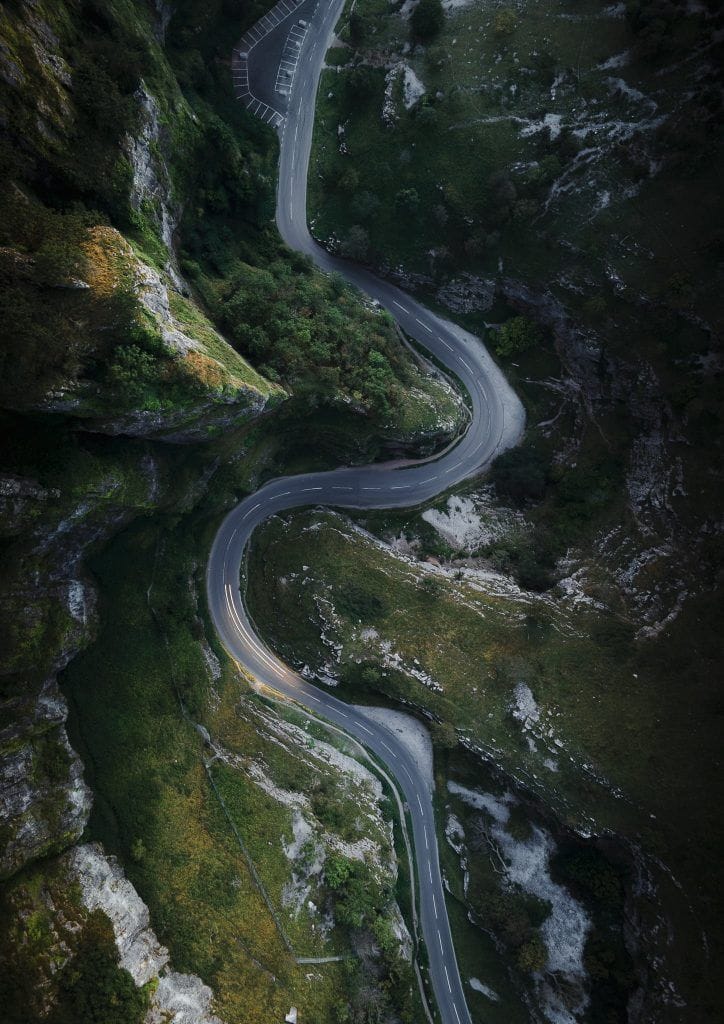
38. Cheddar Gorge light trails from above – summer evenings
Walking up from Cheddar via Jacob’s Ladder and finding a vantage point above the famous hairpin bend gives you a bird’s-eye view of cars navigating the gorge. Long exposure light trails against the limestone cliffs are a satisfying classic composition, and the gorge in summer evening light is truly beautiful.
39. Avon Gorge sunrise
The gorge that Brunel chose for his bridge is a dramatic landscape in its own right. Dawn mist in the gorge in summer can be spectacular – low cloud sitting below the cliff tops with the bridge above is one of my favourite Bristol scenes.
40. Sand Point and Middle Hope – coastal light
Sand Point is a National Trust headland north of Weston-super-Mare with rocky foreshore, salt marsh, and dramatic views across the Bristol Channel to Wales. The light at both ends of the day is excellent. Sand dunes and saltmarsh give good wildlife subjects too.
41. Dunster and the Exmoor coast from Bossington Hill
The Exmoor coast in summer is extraordinary. The view from Bossington Hill above Porlock Bay takes in Exmoor’s wooded combes running down to the sea, with Wales visible across the channel on a clear day. Dunster Castle makes a classic South West view with its hill-top profile.
42. Weston-super-Mare beach at low tide – sunset and blue hour
Weston’s enormous tidal range (part of the Bristol Channel, which experiences one of the world’s highest tidal ranges) means the beach at low tide is a vast expanse of sand reflecting the sky. Blue hour here, after sunset, gives extraordinary pastel colours across the wet sand. The old pier adds a focal point. It’s a subject I return to regularly.
43. Clevedon Marine Lake – high tide and summer sunsets
While the pier gets most of the attention (see entry 48), Clevedon’s Marine Lake is a brilliant and underrated photography location in its own right. At high tide the lake fills completely and the still water gives beautiful reflections of the sky – pastel summer sunsets here can be exceptional, with the colours doubling across the glassy surface. Check the tide times and it rewards regular revisits through the summer.
44. Priddy Pool and Stockhill Wood, Mendips – all summer
I’ve written about this before on the blog, but it bears repeating. The lone tree at Priddy Pool is one of the best astrophotography foregrounds closer to Bristol, but in summer it’s also a beautiful golden hour landscape. Just next door, Stockhill Wood has great gnarly woodland light through the tree canopy on summer mornings. Priddy Pool is also a bit of a mist trap.
45. Burnham-on-Sea lighthouse – sunset, high and low tide
The low lighthouse at Burnham-on-Sea stands on wooden legs on the beach and works beautifully at both ends of the tide. At low tide it sits on the exposed sand with the Bristol Channel behind – quirky and charming. At high tide it appears to float on the water, which is an equally strong composition. Combine either with a sunset sky and you have something special. Check tide times before you go.
46. King Alfred’s Tower – moonrises, sunsets and misty mornings
Rising above the woodland on the Somerset-Wiltshire border, King Alfred’s Tower is one of the most distinctive landmarks in the South West. The 49-metre triangular folly stands on high ground within the Stourhead estate and can be photographed from numerous surrounding rides, clearings and field edges. Summer sunsets often illuminate the tower beautifully against the surrounding woodland canopy, while full moon rises can be spectacular with careful planning using PhotoPills. The elevated position also makes it a good location for photographing low-lying mist on still mornings, particularly towards the end of summer when cooler nights begin to return. While it is perhaps best known as an autumn photography location, the combination of architectural interest, surrounding woodland and open views makes it rewarding throughout the summer months as well.
47. Shapwick Heath and Ham Wall RSPB – dawn in summer
The Somerset Levels RSPB reserves are famous in winter for their starling murmurations, but summer is a completely different experience. Dawn at Ham Wall in July means reed warbler song, hunting marsh harriers, herons fishing, and the lily-covered open water. The light on the reed beds at first light is beautiful, and with no crowds it’s peaceful photography.
48. Clevedon Pier – all year, great in summer evenings and storms
The Grade I listed Victorian pier at Clevedon makes a beautiful long exposure subject in any season, but summer evenings with a warm sky are particularly good. Low tide gives you the rocky foreshore as a foreground with the pier stretching out into the Severn. It’s also one of the best storm photography locations on the Bristol Channel coast – when a westerly comes in, waves break dramatically around the pier head and the moody sky adds real drama.
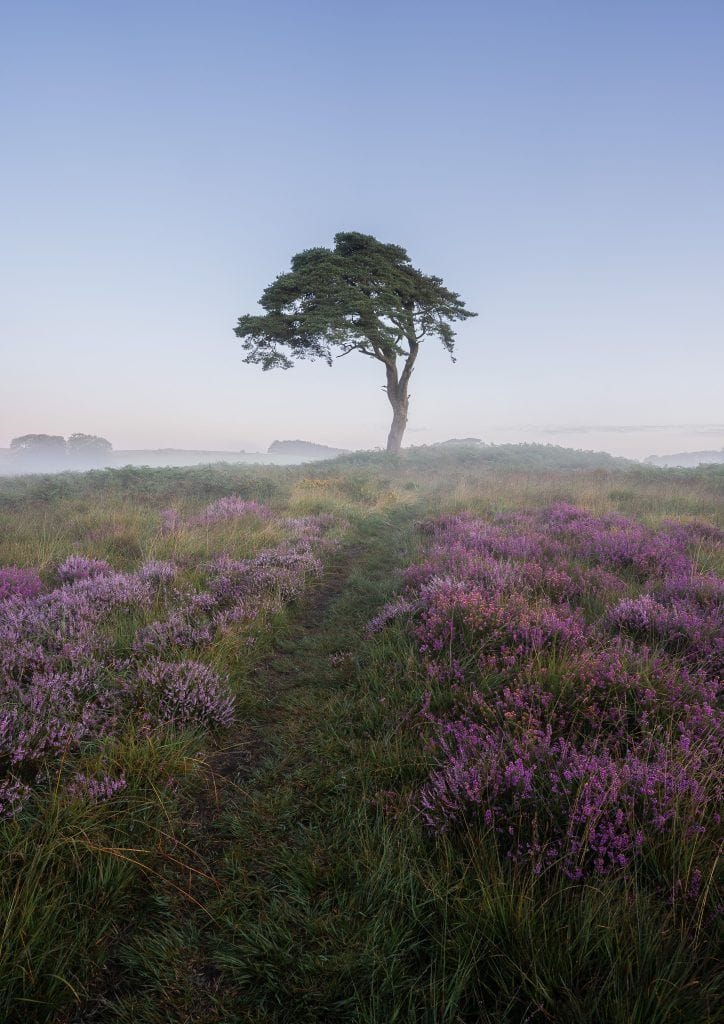
49. The Quantock Hills – heather coming into bloom in late summer
The Quantocks are the southernmost range of heather moorland in England. The heather comes into flower from late July and peaks in August, turning the hilltops purple. Combined with the views south to Exmoor and the Bristol Channel, a heather-in-bloom morning on the Quantocks is a genuinely beautiful landscape subject.
50. Horner Wood and Porlock Vale, Exmoor – summer mornings
One of the largest ancient oak woodlands in England, Horner Wood tumbles down from the Exmoor moorland into the valley above Porlock Vale. In summer the canopy is dense and green, with dappled light filtering through the sessile oaks and the Horner Water running below. Early morning is the time to be here – mist often sits in the valley bottom, and the light through the woodland edge as it burns off is beautiful. Walk up out of the trees onto the open moor above and you get the contrast of dark wooded combes dropping away to the Bristol Channel and the Welsh hills beyond. A genuinely special and undervisited Exmoor location.
Part Six – Bristol’s urban Summer
Don’t overlook the city itself. Bristol in summer is alive with colour, events and photographic possibility.
51. Bristol Harbourside at sunrise – all summer
The harbourside is one of those locations that rewards getting up early. In summer, sunrise is around 5am and the harbour is completely deserted – few people (maybe a few stragglers from the night before…), just still water and the first light catching the old warehouses and cranes. The reflections at that hour are often mirror-perfect. From the end of Pero’s Bridge looking towards St Mary Redcliffe, or from Baltic Wharf looking towards Cliftonwood, there are compositions here that most people never see because they’re still in bed. It’s one of the most photographed places in Bristol for good reason – but the sunrise version is a different city entirely.

52. Stokes Croft, Montpelier and North Street street art – any time
Stokes Croft remains one of the most vibrant and ever-changing canvasses for street art in the UK, and North Street in Southville is worth adding to the same day out – particularly early summer when Upfest, Europe’s largest street art festival, brings artists from around the world to paint new murals across the area. Summer brings new work regularly as artists take advantage of the dry weather, so the walls genuinely change from visit to visit. Dedicated street photography walks through Stokes Croft, St Pauls and North Street reward exploration at any time of the season. Note that the full-scale St Pauls Carnival is not running in 2026, but community cultural events and smaller celebrations are planned through the summer.
53. Ashton Court Estate – deer and golden light
Ashton Court has its own herd of fallow and red deer, roaming freely within the estate. Summer evenings with long shadows across the parkland and deer grazing are a reliable and beautiful photography subject – without the long drive to Exmoor.
54. City of Bristol public gardens – roses in June
Bristol has some excellent public gardens for summer photography. The University of Bristol Botanic Garden in Stoke Bishop is one of the best – a beautifully maintained collection with a walled garden, glasshouses and herbaceous borders that peak through June and July. Goldney Hall Gardens in Clifton are open on selected days and worth timing a visit around. Rose gardens peak in June and early July – macro photography of garden roses in morning dew is a classic close-up subject that never really gets old.
55. The harbourside festivals – opportunities around Harbour Festival
Around the Harbour Festival weekend (17-19 July) the harbourside is transformed. Even outside the festival itself, the summer concert season at harbourside venues gives evening photography opportunities – colourful crowds, lights reflecting in the water, street performers.
A few notes on planning
The golden hours are long. In late June, sunset in Bristol is after 9:30pm and sunrise is before 5am. Those are extraordinary hours for photography – you get two long magic light windows every day. But midsummer also means a very short night, which cuts into astrophotography. The sweet spots for doing both are May/June (for late evening light before full dark) and late August into September (when the nights lengthen again without losing too much of the golden hour).
The Milky Way in the South West. At 51°N, the galactic core is low in the southern sky – you’re not getting the dramatic overhead views you’d get in southern Europe. But that low position also means you can combine it with a Somerset or Mendip foreground in a way that’s harder to achieve further south. Priddy Pool, Glastonbury Tor and the ridges of Exmoor are my go-to locations.
Check conditions the day before. Summer weather in the South West can be completely different from the forecast, and the best conditions (cloud inversions, photogenic mist, dramatic storm light) often come from checking conditions early evening for the following dawn. Having a shortlist of locations at different distances from home means you can make fast decisions.
Prints from Bristol and Somerset
Many of the locations and subjects in this list are ones I photograph regularly, and some of my favourite prints are available in the shop. If you’re looking for something to remind you of the South West – or to give someone who loves this landscape – take a look at the print collection at sambinding.co.uk/shop.
Clifton Suspension Bridge prints, Somerset Levels mist, Glastonbury Tor moonrises, and Mendip astrophotography are all in there. New prints are added regularly through the summer as I get out shooting – follow along on Instagram to see what’s coming.

What are you planning to photograph this summer? I’d love to hear in the comments. And if you capture something great, tag me – I enjoy seeing what other photographers are finding in this brilliant part of the world.

Mate, this is such a detailed and helpful post!
Mate, this is such an amazingly detailed and helpful post! Looking forward to the autumn edition!!
Hey mate, thank you so much for that! Glad it’s helpful. Reminds me I need to sort out an autumn one!